
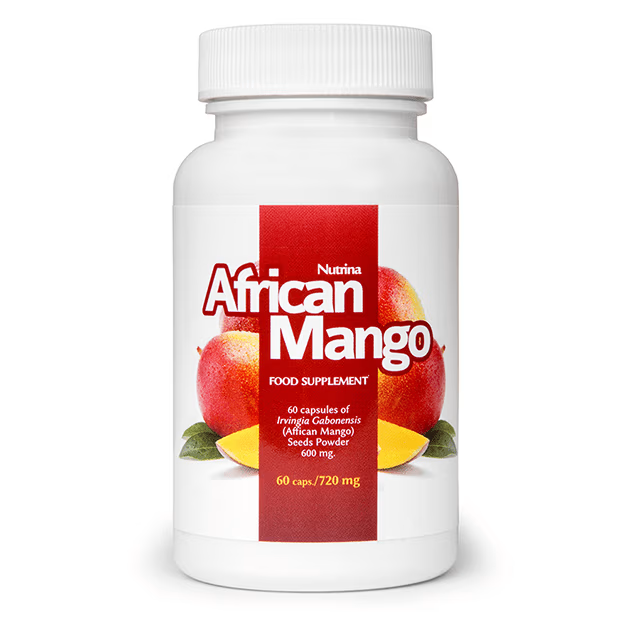
African Mango: A Comprehensive Guide to Natural Weight Management
African Mango (Irvingia Gabonensis) has emerged as a popular natural supplement in the weight management industry. This tropical fruit, native to West and Central Africa, has been used traditionally for centuries and is now gaining recognition worldwide for its potential health benefits. In this comprehensive guide, we’ll explore the science behind African Mango, its potential benefits, and what you need to know before considering supplementation.
- May help you to burn fat tissue.
- Removes harmful toxins from the body.
- Reduces appetite.
- Reduces cholesterol level.

What is African Mango?
African Mango, scientifically known as Irvingia Gabonensis, is a fruit tree indigenous to the rainforests of West and Central Africa. The fruit resembles a regular mango in appearance but is botanically different. The seeds of this fruit, often called “dika nuts,” are the primary source of the extract used in dietary supplements.
For generations, local communities have utilized various parts of the African Mango tree for nutritional and medicinal purposes. The seeds are particularly valued for their high fiber content and unique nutritional profile, which includes healthy fats, proteins, and various bioactive compounds.
The Science Behind African Mango Extract
The extract from African Mango seeds contains several bioactive compounds that researchers believe may contribute to its potential health benefits. The primary active component is believed to be fiber and various phenolic compounds that may influence metabolic processes.
Key Bioactive Components:
- Soluble Fiber: High concentrations that may help with satiety
- Phenolic Compounds: Antioxidant properties that may support overall health
- Healthy Fats: Including omega-3 and omega-6 fatty acids
- Proteins: Essential amino acids for body function

Potential Benefits of African Mango
Based on preliminary research and traditional use, African Mango extract may offer several potential health benefits:
Weight Management Support
Some studies suggest that African Mango extract may support weight management efforts when combined with a healthy diet and exercise routine. The high fiber content may contribute to feelings of fullness, potentially helping individuals manage their caloric intake.
Metabolic Health
Research indicates that African Mango extract might support healthy metabolism. Some studies have examined its potential effects on various metabolic markers, though more research is needed to establish definitive conclusions.
Cholesterol Support
Preliminary research suggests that African Mango extract may help maintain healthy cholesterol levels already within the normal range. The fiber content and other compounds may play a role in this potential benefit.
Antioxidant Properties
The phenolic compounds found in African Mango seeds possess antioxidant properties, which may help protect cells from oxidative stress caused by free radicals.
African Mango vs. Other Popular Supplements
| Supplement | Primary Benefits | Key Components | Research Level |
|---|---|---|---|
| African Mango | Weight management, metabolic support | Fiber, phenolic compounds | Limited but promising |
| Acai Berry | Antioxidant properties | Anthocyanins, vitamins | Moderate |
| Green Tea Extract | Metabolism support, antioxidants | EGCG, caffeine | Extensive |
| Garcinia Cambogia | Appetite support | Hydroxycitric acid | Mixed results |
How to Use African Mango Extract
When considering African Mango supplementation, it’s important to follow proper guidelines:
Dosage Considerations
- Follow manufacturer recommendations
- Start with lower doses to assess tolerance
- Take with meals for better absorption
- Maintain consistency in timing
Quality Factors to Look For
- Standardized extract concentration
- Third-party testing for purity
- Reputable manufacturer with good manufacturing practices
- Clear labeling with ingredient quantities
Safety and Side Effects
African Mango extract is generally considered safe for most healthy adults when used as directed. However, like any supplement, it may cause side effects in some individuals:
Potential Side Effects:
• Digestive discomfort (due to high fiber content) • Headaches (rare) • Sleep disturbances (rare) • Allergic reactions (in sensitive individuals)
Who Should Avoid African Mango:
• Pregnant or breastfeeding women • Individuals with known allergies to the fruit • People taking blood-thinning medications (consult healthcare provider) • Those with underlying medical conditions (consult healthcare provider first)
Maximizing Results with African Mango
To potentially maximize the benefits of African Mango supplementation:
Lifestyle Integration:
- Combine with a balanced, nutrient-dense diet
- Maintain regular physical activity
- Stay adequately hydrated throughout the day
- Get sufficient sleep (7-9 hours nightly)
- Manage stress levels effectively
Realistic Expectations:
African Mango extract should be viewed as a supportive tool rather than a magic solution. Sustainable weight management and health improvements require a comprehensive approach that includes proper nutrition, regular exercise, and healthy lifestyle choices.
The Importance of Quality and Authenticity
When selecting an African Mango supplement, quality matters significantly. Look for products that provide:
- Certificate of analysis from third-party testing
- Clear information about extraction methods
- Standardized potency levels
- Good manufacturing practice (GMP) certification
- Transparent company information and customer reviews
Frequently Asked Questions (FAQ)
Q: How long does it take to see results with African Mango extract?
A: Individual results vary, but some people may notice changes in appetite or energy levels within 2-4 weeks of consistent use. However, significant changes typically require 8-12 weeks combined with lifestyle modifications.
Q: Can I take African Mango extract with other supplements?
A: African Mango extract is generally compatible with most supplements, but it’s advisable to consult with a healthcare provider, especially if you’re taking multiple supplements or medications.
Q: Is African Mango extract suitable for vegetarians and vegans?
A: Yes, African Mango extract is plant-based and suitable for vegetarians and vegans. However, always check the capsule material and other ingredients to ensure they meet your dietary requirements.
Q: What’s the difference between African Mango and regular mango?
A: Despite the similar name, African Mango (Irvingia Gabonensis) is botanically different from regular mango (Mangifera indica). The African variety has unique seed properties that are used for supplementation.
Q: Can African Mango extract replace a healthy diet and exercise?
A: No, supplements should complement, not replace, a healthy lifestyle. African Mango extract works best when combined with proper nutrition and regular physical activity.
Q: Are there any drug interactions with African Mango extract?
A: While generally safe, African Mango extract may interact with certain medications, particularly blood thinners. Always consult your healthcare provider before starting any new supplement regimen.
Conclusion
African Mango extract represents an interesting addition to the natural supplement landscape, with preliminary research suggesting potential benefits for weight management and metabolic health. However, it’s crucial to approach any supplement with realistic expectations and as part of a comprehensive health strategy.
The key to success with African Mango, like any natural supplement, lies in choosing high-quality products, following proper dosage guidelines, and integrating supplementation with healthy lifestyle choices. While the research is promising, more extensive studies are needed to fully understand the long-term effects and optimal usage patterns.
Before starting any new supplement regimen, including African Mango extract, consult with a qualified healthcare provider, especially if you have underlying health conditions or take medications. Remember that sustainable health improvements come from consistent, long-term lifestyle choices rather than quick fixes.
Disclaimer: This information is for educational purposes only and is not intended to diagnose, treat, cure, or prevent any disease. Always consult with a qualified healthcare provider before starting any new supplement regimen.